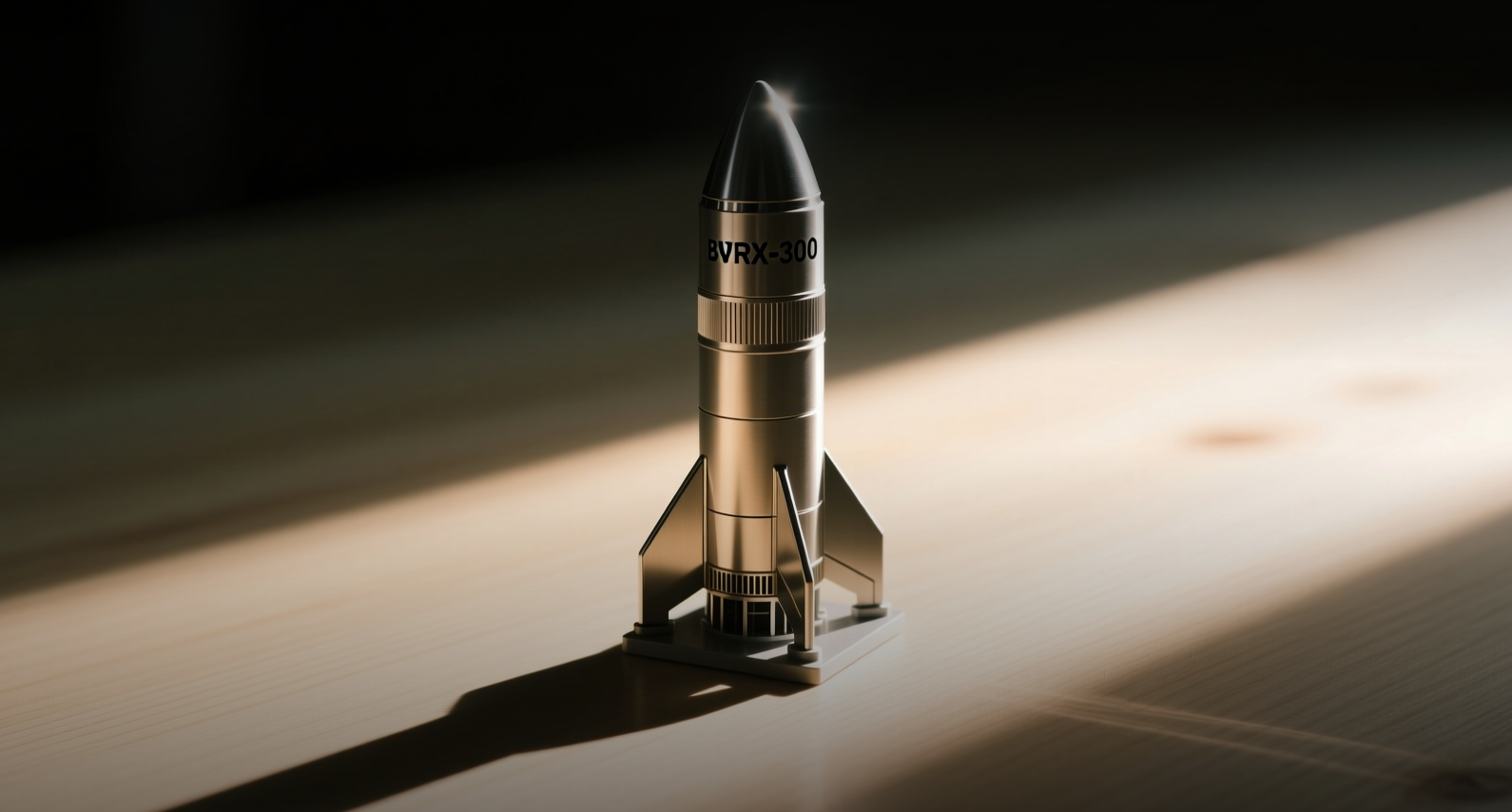
Constellation's venture arm is betting on shipyard manufacturing to cut nuclear construction timelines to 48 months.
Constellation Technology Ventures has taken a strategic stake in Blue Energy, backing a shipyard manufacturing model that aims to deliver new nuclear plants in 48 months — a timeline that would upend the industry's history of cost overruns and delays.
"With demand for near-term power rising, Constellation's investment will help Blue Energy meet America's need by making new nuclear development predictable, rapidly scalable, and project financeable for the first time in history," Jake Jurewicz, Blue Energy chief executive officer and co-founder, said.
Blue Energy earlier this year raised $380 million and forged a strategic partnership with GE Vernova to develop a multi-gigawatt gas-to-nuclear project using GE Vernova gas turbines and the BWRX-300 small modular reactor. The company has secured a key U.S. Nuclear Regulatory Commission licensing milestone and could begin early site works on its first planned project in Texas this year, targeting a final investment decision in 2027.
The investment marks Constellation's first venture bet on a U.S. small modular reactor developer and reflects growing institutional confidence in factory-built nuclear as a solution for surging electricity demand from artificial intelligence data centers. Constellation, the nation's largest nuclear plant operator, is placing itself at the center of a nuclear revival that could reshape the $400 billion U.S. power generation market.
Blue Energy's approach borrows from offshore oil and gas and liquefied natural gas projects, using large-format robotic prefabrication and assembly in shipyards rather than traditional on-site construction. The model is designed to unlock project financing — a first for the nuclear sector — by making costs and timelines predictable enough for lenders to underwrite. The BWRX-300, a 300-megawatt boiling water reactor developed by GE Hitachi Nuclear Energy, is already licensed in Canada and undergoing U.S. regulatory review, giving Blue Energy a technology path that avoids the first-of-a-kind risks that have plagued earlier reactor designs.
The nuclear industry has struggled for decades with projects that ran billions over budget and years behind schedule. The Vogtle plant in Georgia, the only new U.S. nuclear reactors built in the past 30 years, came online seven years late and cost more than double its original $14 billion budget. Blue Energy's shipyard model aims to sidestep those problems by moving most construction to a controlled factory environment, where assembly lines can produce standardized reactor modules at scale.
The broader nuclear sector is attracting record private investment as technology companies seek round-the-clock carbon-free power for data centers. Global private investment in nuclear fusion reached $4.48 billion in 2025, according to the Fusion Industry Association, with companies like Helion Energy — backed by OpenAI chief Sam Altman — and Commonwealth Fusion Systems raising billions to commercialize fusion power. Helion has signed a power purchase agreement with Microsoft Corp. and broke ground on its Orion facility in Washington state last year, while Commonwealth Fusion Systems raised $863 million in August 2025 for its SPARC demonstration device.
Blue Energy's timeline is more immediate. The company plans to deliver power within 48 months of breaking ground, compared with fusion developers targeting the early 2030s for commercial operations. That near-term horizon could make Blue Energy's model attractive to utilities and corporate buyers facing immediate power needs, particularly as data center electricity consumption is projected to more than double by 2030.
David Dardis, Constellation senior executive vice president and chief external affairs and growth officer, said the investment supports "a proven technology with a potential path to scale for the next generation of nuclear energy."
Constellation shares have gained more than 80% over the past year as investors have priced in the company's nuclear fleet as a critical asset for the AI-driven power demand boom. The Blue Energy investment, while small relative to Constellation's $80 billion market capitalization, positions the utility to capture upside from new nuclear deployment without bearing construction risk directly.
This article is for informational purposes only and does not constitute investment advice.