

Luxor estimates 235 EH/s of Bitcoin mining capacity, about 19 percent of the network, sits idle as Texas's summer curtailment ends, and reconnecting it risks compressing hashprice and squeezing margins.
Luxor estimates 235 EH/s of Bitcoin mining capacity, about 19 percent of the network, sits idle as Texas's summer curtailment ends, and reconnecting it risks compressing hashprice and squeezing margins.
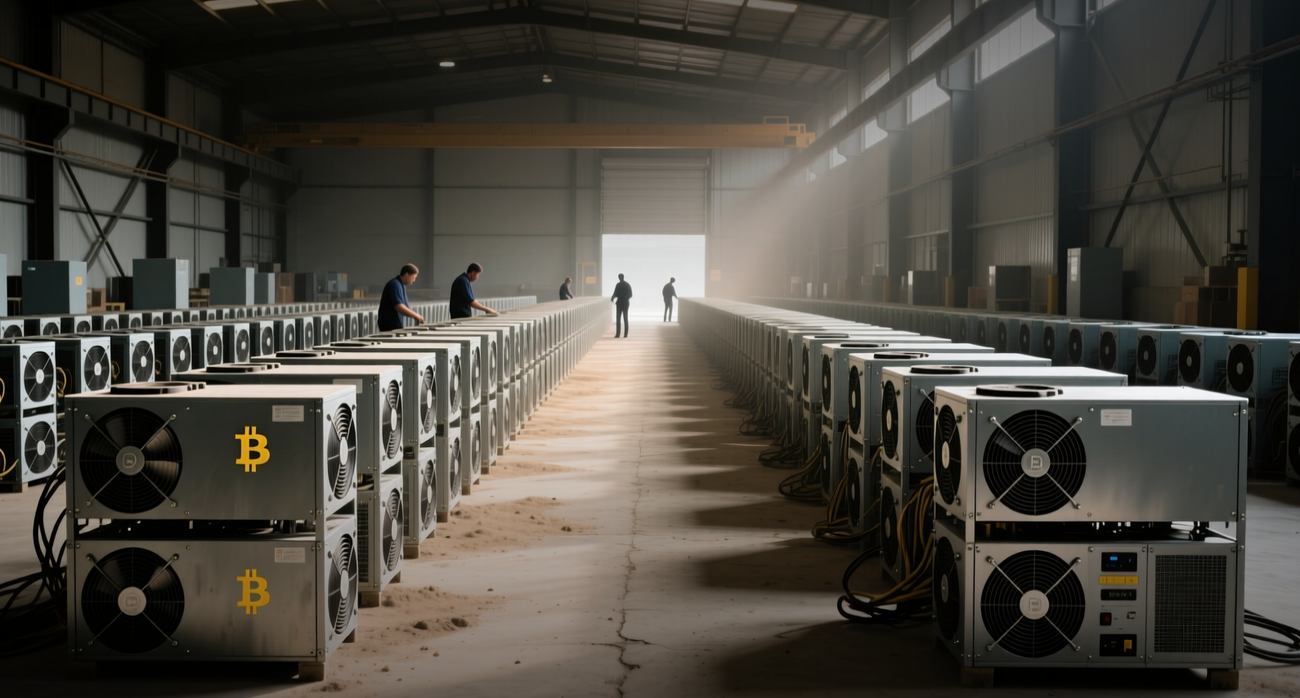
Reconnecting 235 EH/s of idle Bitcoin mining capacity as Texas's summer curtailment ends could compress hashprice and renew margin pressure, Luxor estimates.
The figure equals roughly 19 percent of the global network's computing power, the mining services firm said, attributing the dark capacity to a mix of seasonal curtailment and weaker economics that have pushed some operators to switch machines off. Luxor runs the Hashrate Index data platform that tracks mining economics.
Network hashrate has already begun to recover, climbing to 915 EH/s on Sept. 8 after touching 853 EH/s a day earlier — the third defense of the 850 EH/s zone in recent weeks, according to Bitcoin Archive data. That still leaves the network about 20 percent below its October 2025 peak of roughly 1.15 ZH/s. An early-2026 winter storm knocked out about a fifth of capacity, and electricity costs have stayed elevated in key hubs since, while AI data-center operators have outbid miners for power in some markets.
The risk is that the recovery reverses. As Texas's summer heat curtailment window closes around September, miners that idled machines to sell power back to the grid are expected to reconnect, lifting network difficulty at the next adjustment and compressing hashprice for everyone still running. With block rewards fixed and older, less efficient hardware already at the margin, a fresh wave of competition could push the weakest operators into capitulation — the same dynamic Luxor's estimate flags as unresolved.
Hashprice, the daily revenue metric per unit of hashrate, has firmed near $40 per petahash per day, up more than 22 percent, as fewer miners competed for fixed block rewards. That improvement has eased some of the financial pressure that forces operators to sell Bitcoin to cover operating costs. But the reprieve may be short-lived if idle capacity returns.
Difficulty recalibrates roughly every two weeks, so a wave of reconnections would feed through to the next adjustment, raising the cost of earning each block for the entire network. Public miners including Foundry USA and AntPool, which account for a substantial share of global hashrate, feel these swings acutely because their operational decisions ripple through the network.
For Bitcoin holders, the stakes sit at the production-cost floor. If reconnection compresses hashprice below the operating costs of marginal miners, forced selling of Bitcoin to fund operations could resume, adding supply pressure at a time when BTC trades near $79,632. The counterweight is that a return of idle capacity also signals healthier network participation after Texas's summer heat abates — the question is which force wins out over the coming difficulty cycles.
This article is for informational purposes only and does not constitute investment advice.
