Washington is abandoning any pretense of moderation in its economic war on Tehran. US Treasury Secretary Scott Bessent said the administration will show no further restraint in sanctioning Iran, a hardening of enforcement policy that threatens to pull Iranian barrels off the global market and deepen the risk premium already built into crude after a fresh exchange of airstrikes between the two countries.
"On sanctions against Iran, there will be no more restraint," Bessent said, according to a statement carried by state media. The Treasury chief's remarks land at a moment when Iranian crude exports have become a central swing factor in a market already braced for supply disruption.
Fuel prices rose sharply in world trading on the first session after the latest US-Iran airstrikes, showing how quickly the confrontation is feeding through to energy costs. The escalation has also drawn in regional producers: Anwar Gargash, the UAE's presidential adviser, said at the Hili Forum in Abu Dhabi that his nation's energy exports will not be manipulated or constrained by political situations, cementing a commitment to energy independence even as he acknowledged that rebuilding trust with Iran could take decades.
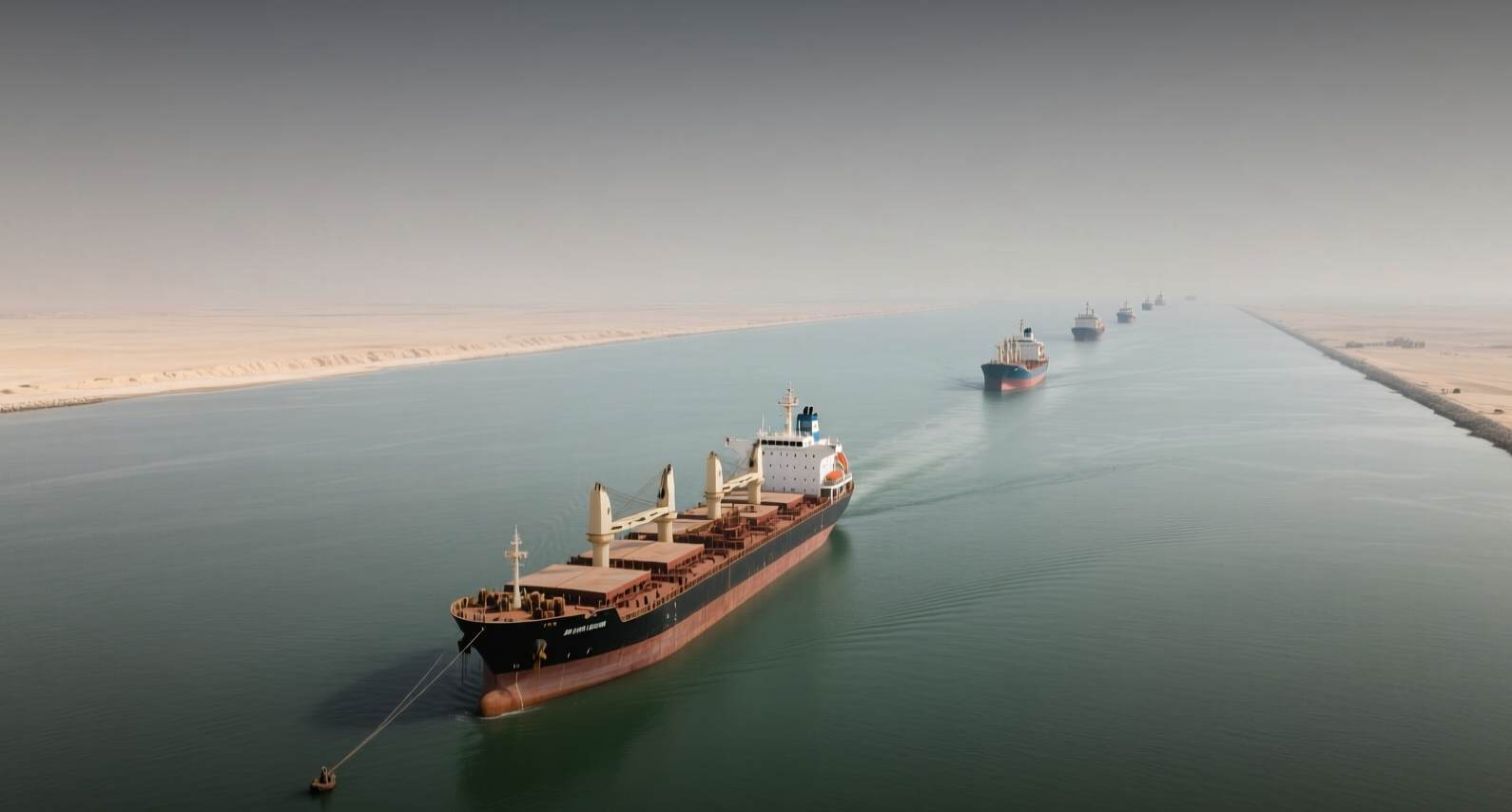
The stakes for oil markets are structural. Iran sits astride the Strait of Hormuz, the chokepoint that carries roughly a fifth of global oil trade, and any tightening of sanctions enforcement that pulls Iranian barrels off the market would force buyers to compete for replacement supply from the Gulf and beyond. Saudi Aramco's Jazan refinery, one of the kingdom's largest processing plants, came under attack on Monday, with the scale of damage still being assessed, according to the Financial Times. The incident, which Reuters has not independently verified, highlights the security risk hanging over the region's energy infrastructure.
For Washington, the sanctions push is a policy lever with direct market consequences. Tighter enforcement against Iranian exports would remove a meaningful slice of the roughly 1.5 million to 1.7 million barrels a day Tehran ships abroad, most of it to China, squeezing a market where spare capacity among other producers is limited. The last time the US moved aggressively to cut Iranian oil flows, in 2018 under the prior administration's maximum-pressure campaign, Brent crude climbed toward $85 a barrel within months as buyers scrambled for alternatives and waivers were granted to major importers.
The current confrontation carries a sharper edge. Where the 2018 campaign unfolded through sanctions alone, today's escalation pairs enforcement with direct military exchanges, raising the risk that any supply loss is compounded by disruption to shipping lanes or Gulf infrastructure. That combination is why traders have pushed fuel prices higher on the first trading day rather than waiting for evidence of actual barrels lost.
The transmission to the broader economy is the concern for policymakers. Higher crude translates into costlier gasoline and diesel, feeding inflationary pressure at a time when central banks are weighing how much further to ease. Energy-dependent importers in Asia, which buy the bulk of Iranian crude at discounted prices, face the most immediate squeeze if those flows are cut off.
What happens next hinges on enforcement detail. Bessent's statement signals intent, but the market impact will depend on how aggressively the Treasury pursues secondary sanctions against buyers, refiners, and the tanker fleet that moves Iranian oil. If Washington targets the shadow fleet and Chinese teapot refiners that absorb most of Tehran's exports, the supply loss could be swift and large. If enforcement remains patchy, as it has been in recent years, the price response may stay contained.
Either way, the risk premium is unlikely to fade quickly. With the Strait of Hormuz carrying about 21 percent of global oil trade and Gulf infrastructure already under attack, the market is pricing a geopolitical floor under crude that no amount of diplomatic reassurance has yet removed. For importers and consumers, the question is no longer whether sanctions tighten but how many barrels they take off the market and how fast.
This article is for informational purposes only and does not constitute investment advice.