
The US Army is winding down its experimental drone assault battalion in Europe, a reversal of the previous chief's transformation push that critics say could slow America's adaptation to drone warfare.
The US Army is winding down its experimental drone assault battalion in Europe, a reversal of the previous chief's transformation push that critics say could slow America's adaptation to drone warfare.
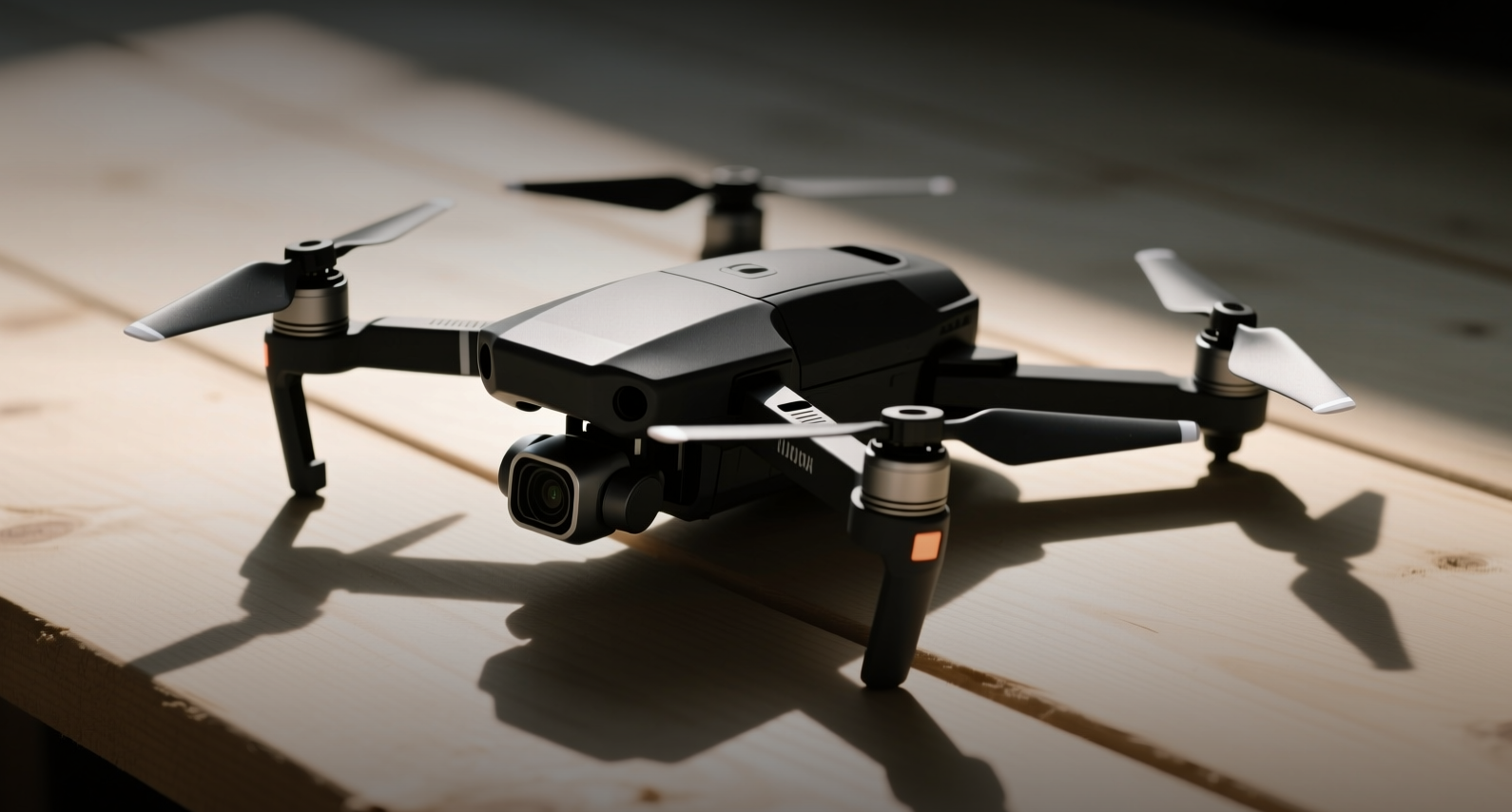
The US Army is disbanding its 600-soldier drone assault battalion in Europe, reversing a signature initiative of the ousted chief of staff as acting Gen. Christopher LaNeve pushes a back-to-basics restructuring.
"Ukraine has essentially revolutionized the close fight," said Michael O'Hanlon, a defense expert at the Brookings Institution. "Gen. George was starting to get that, and any setback in what he was doing would be deeply regretful and dangerous."
The 3rd Battalion, 504th Parachute Infantry Regiment, established in January from the 173rd Airborne Brigade, will participate in the Saber Junction exercise at Hohenfels, Germany, this month and next, then report its findings and "refocus on its core warfighting tasks as an airborne infantry battalion," an Army official said. The unit's personnel had rotated through Kyiv to meet Ukrainian drone commanders and interacted with Ukrainian operators in NATO training areas, including a spring exercise where Ukrainian troops bested a US brigade combat team.
The phase-out comes as Defense Secretary Pete Hegseth has pledged $1.1 billion to break China's lead in drone development, a program extending beyond the Army to the Marine Corps and Special Operations Command. But the Army has not said how it will accelerate drone capabilities after the battalion is wound down, and critics inside and outside the administration see an acting chief keen to dismantle initiatives developed by George's team.
The battalion was established after George, Army Secretary Dan Driscoll and Gen. Chris Donahue, then the top Army commander in Europe, traveled to Kyiv in November to meet with Ukrainian drone commanders. George had already moved to transform Army infantry brigades into maneuver forces equipped with reconnaissance and strike drones, but the new battalion was designed to go bigger and faster. Both Russia and Ukraine have dedicated drone combat units and military branches for drone and robotic warfare.
The unit's moniker recalled the storied 504th Parachute Infantry Regiment from World War II, a deliberate nod to the Army's airborne heritage. But the experiment was part of George's broader "transformation in contact" concept, which aimed to accelerate change by giving troops a role in evaluating emerging technology and devising tactics on the ground rather than having decisions made far from the battlefield.
Since assuming the helm, LaNeve has moved a Multi-Domain Task Force from Europe to South Korea, reassigned III Armored Corps from Fort Hood, Texas, to the new Western Hemisphere Command, and replaced traditional height-to-weight fitness tables with a waist-to-height ratio of less than 0.55. The Army also canceled plans for senior Ukrainian officers to speak at the service's maneuver warfare center at Fort Benning, Georgia.
Some of LaNeve's orders have caused friction with Driscoll, who worked closely with George. Driscoll pushed to keep a performance exemption for soldiers who score highly on the Army Fitness Test, arguing that stocky but strong soldiers would be unfairly punished under the new body-composition standard. LaNeve dug in his heels, and the exemption was excluded.
Retired Lt. Gen. Keith Kellogg, who served in both Trump administrations, praised LaNeve. "LaNeve is hard over pushing standards. That is his strength. He is uncompromising for the good of the force," said Kellogg, who recommended LaNeve to Hegseth.
In a memo to the force Wednesday, LaNeve outlined his direction, writing that "US Army forces must be prepared to overcome the most complex challenges our adversaries can impose and master an operational environment that looks fundamentally different from the battlefields of yesterday." An attached document dubbed the "Army Azimuth" vowed the Army would continue to establish units with advanced cyber, electronic-warfare and artificial-intelligence technologies.
The Army said it "is committed to accelerating US military drone dominance to meet the demands of large-scale combat operations" but declined to comment on future plans. "We rigorously test a wide variety of unmanned and counter-unmanned technologies in the field. Ultimately, these aerial systems are enablers that support our soldiers," a spokesman said.
This article is for informational purposes only and does not constitute investment advice.
