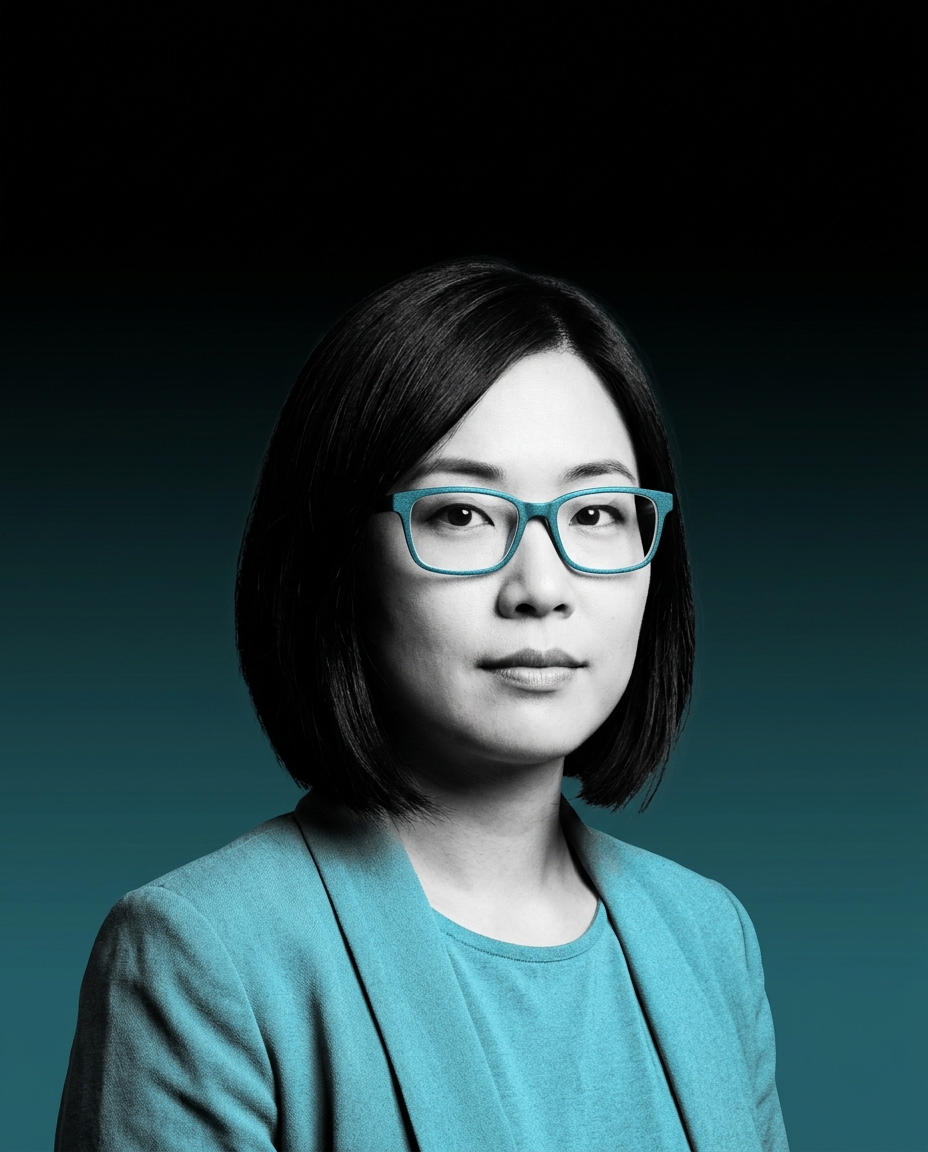

Apple's leadership era shifts as Tim Cook hands the CEO role to hardware chief John Ternus after 15 years.
Apple's leadership era shifts as Tim Cook hands the CEO role to hardware chief John Ternus after 15 years.
Apple's leadership era shifts as Tim Cook hands the CEO role to hardware chief John Ternus after 15 years.
Apple's chief executive Tim Cook stepped down Monday after 15 years at the helm, passing leadership to hardware engineering chief John Ternus in a transition that places product innovation at the center of the company's next chapter.
"We have both the opportunity and the responsibility to leave the world better than we found it," Cook wrote in his final memo to employees, referencing founder Steve Jobs' "dent in the universe" philosophy. "How fortunate we are. How fortunate I am."
Ternus, 51, joined Apple's product design team in 2001 and led the Mac's migration from Intel to custom M-series processors. He takes over days before Apple's September 9 "Surprise and shine" keynote, with the company pushing into on-device AI, folding form factors, and custom silicon. Cook will remain as executive chair.
The transition comes as Apple faces market saturation and regulatory headwinds. Ternus's promotion marks a deliberate shift from Cook's supply-chain mastery to a product-first strategy, with the new CEO's compensation transitioning to equity-heavy packages tied to enterprise performance, dividend growth, and stock appreciation.
The CEO change coincides with a broader executive exodus. Phil Schiller, who led the App Store since 2015, stepped down in recent days and will remain as an Apple Fellow. Schiller shepherded the company through the Epic Games antitrust lawsuit over the App Store's in-app fee system, a legal fight that remains ongoing. Chief operating officer Jeff Williams retired in December after 27 years. Lisa Jackson, vice president for Environment, Policy, and Social Initiatives, and general counsel Kate Adams also announced December retirements. Jennifer Bailey, longtime head of Apple Pay, is set to retire in October after more than 20 years.
Paul Meade, the vice president in charge of the Vision Pro headset, left in June to join OpenAI, and the Vision Pro team has since lost around 100 employees. The App Store's day-to-day operations will now be handled by Carson Oliver, a 14-year Apple veteran, as the division moves from marketing to the services group led by Eddy Cue, according to Bloomberg.
Ternus's Hardware Pedigree
Ternus earned a bachelor's degree in mechanical engineering from the University of Pennsylvania in 1997, where he was also a varsity swimmer. He began his career designing virtual reality headsets at Virtual Research Systems before joining Apple's product design team in 2001. His maiden project was the Apple Cinema Display, which led to overseeing engineering for generations of iMac and MacBook lines.
In 2013, he was named vice president of hardware engineering, orchestrating every generation of iPad Pro and AirPods before taking full charge of the iPhone hardware division in 2020. His promotion to senior vice president in 2021 coincided with the successful M-series transition that removed Intel from Apple's Mac lineup.
Known within Apple Park as charismatic, calm, and collaborative, Ternus bridges effectively between industrial design, software teams, and silicon engineers. His estimated net worth ranges from $75 million to $100 million, with a base salary around $1 million annually supplemented by performance bonuses and restricted stock units.
Apple considered chief operating officer Sabih Khan and services chief Eddy Cue before settling on Ternus. At 51, he represents the younger tier of Apple's executive suite, offering the board a leader capable of steering the company for a decade or more through major platform shifts.
The appointment of a hands-on engineer over an operations specialist marks a cultural reset in Cupertino. Apple's next decade depends on folding displays, local neural silicon, and spatial computing — areas where Ternus's hardware DNA gives him direct authority. With Apple's multi-trillion-dollar market value, investor confidence in the transition will be tested as the company navigates AI competition and regulatory pressure.
The September 9 keynote will offer the first glimpse of Ternus's product vision. Apple's rivals — including Samsung in folding devices and Google in on-device AI — are watching closely. Ternus's ability to repopulate Apple's executive ranks with a new generation of leaders will be as critical as his product decisions.
This article is for informational purposes only and does not constitute investment advice.
