Tim Cook's final act as Apple CEO locks in a $30 billion Broadcom deal and sets up John Ternus for the biggest product year in company history.
Apple is handing the CEO role to product chief John Ternus at a moment when its device-first AI strategy, a $30 billion domestic chip deal, and a packed hardware pipeline could drive the stock to outperform the S&P 500 in fiscal 2027.
"Apple and Broadcom have a long history together, and this new phase of our partnership further accelerates our commitment to American manufacturing and innovation," Tim Cook, outgoing chief executive officer of Apple, said in announcing the agreement.
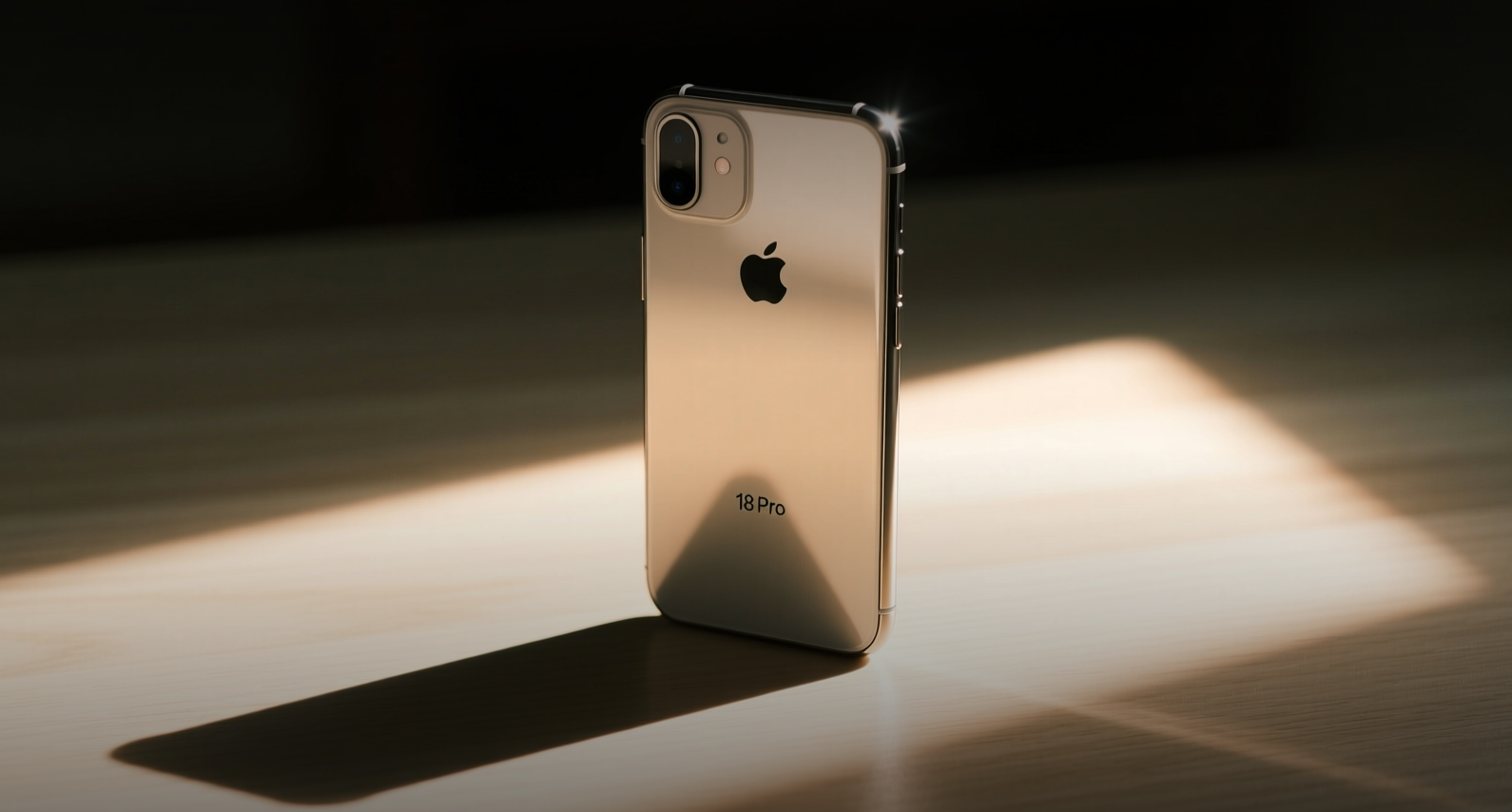
The Broadcom deal will produce more than 15 billion US-made chips through 2031 and includes a $1.5 billion expansion of the company's Fort Collins, Colorado facility. The agreement closes a 15-year tenure in which Cook grew Apple's market capitalization from $300 billion to $4 trillion — the most value creation in corporate history. Under Ternus, who takes over within two months, Apple is preparing what analysts describe as its most product-packed year, including a foldable iPhone, iPhone 18 Pro upgrades, AI glasses, and camera-equipped AirPods.
The transition comes as Apple navigates a 500% surge in memory chip costs since August 2025 that forced 17% to 25% price increases on MacBooks and iPads, a trade-secret lawsuit against OpenAI and former design chief Jony Ive's io Products, and the shift from cloud-based AI to on-device inference. Cook will remain chairman, shielding Ternus from tariff and regulatory headwinds while the new chief executive focuses on products that will define Apple's AI era.
Device-First AI Strategy Differentiates Apple From Big Tech Rivals
Apple's approach to artificial intelligence diverges from hyperscalers spending hundreds of billions on cloud infrastructure. At WWDC 2026, the company unveiled Apple Foundation Models designed to run on-device rather than in data centers, and it is in talks with startup PrismML to shrink large language models further for local execution. The strategy positions Apple to capture AI margins without the capital intensity of competitors such as Microsoft, Google, and Amazon, which are investing heavily in data center buildouts. Apple's device-first bet could prove prescient if consumers prioritize privacy and latency over cloud-dependent AI features.
Product Pipeline and Pricing Power Drive Supercycle Potential
The incoming chief executive inherits what may be Apple's most aggressive product roadmap. Beyond the foldable iPhone and iPhone 18 Pro, the company is developing AI glasses, a major iPad redesign, and AirPods with integrated cameras — a lineup that analysts believe could trigger a multi-product upgrade cycle. Apple is using hardware innovation to justify higher prices despite input cost inflation, with memory chip expenses alone rising fivefold since August 2025. The strategy mirrors Cook's playbook of commanding premium pricing through differentiation, now applied to an AI-driven product cycle.
For investors, the question is whether Ternus can sustain the valuation multiple that Cook's tenure built. Apple trades as the largest component of the S&P 500, and any outperformance relative to the index would require both product execution and margin defense in a rising-cost environment. The next major catalyst is the September iPhone 18 launch, which will provide the first real test of Ternus' product vision and Apple's on-device AI strategy in the market.
This article is for informational purposes only and does not constitute investment advice.