

Apple is replacing its iPhone Upgrade Program with a broader device leasing plan spanning iPhones, Macs, iPads and Apple Watches, marking a strategic push into subscription-style hardware revenue.
Apple is replacing its iPhone Upgrade Program with a broader device leasing plan spanning iPhones, Macs, iPads and Apple Watches, marking a strategic push into subscription-style hardware revenue.
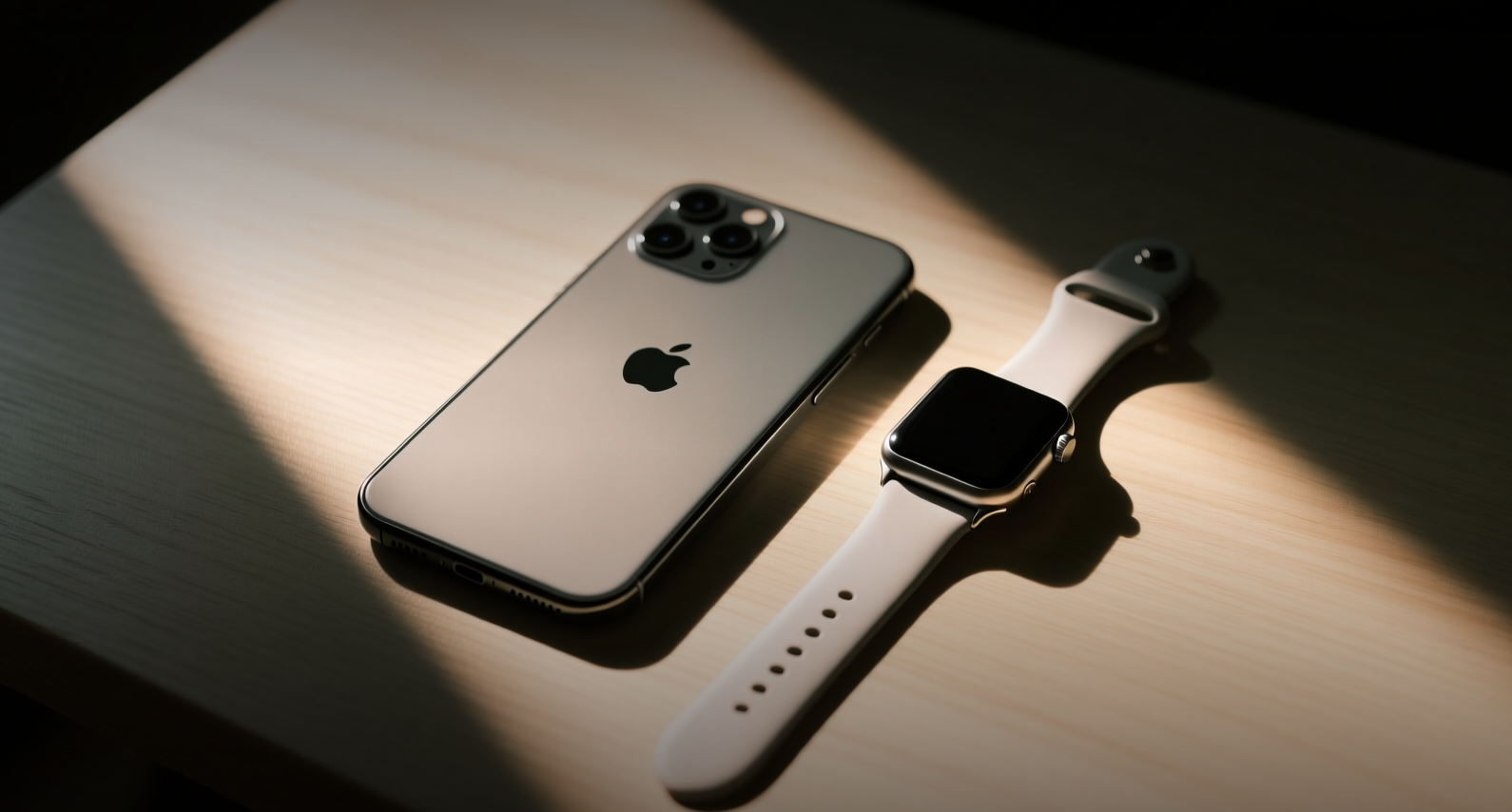
Apple is replacing its iPhone Upgrade Program with a broader device leasing plan spanning iPhones, Macs, iPads and Apple Watches, marking a strategic push into subscription-style hardware revenue.
Apple's Apple Upgrade plan, launching July 28 with buy-now-pay-later provider Klarna, covers most iPhone, Mac, iPad and Apple Watch models under 24- to 36-month terms — a shift toward recurring hardware revenue.
"Apple plans to advertise the program as a way to have lower monthly payments compared to current financing programs," Mark Gurman of Bloomberg reported, citing people familiar with the matter.
The plan offers 24-month terms for iPhones and Apple Watches and 36-month terms for iPads and Macs. Customers can pay off the device early, upgrade to a newer model during the term, or keep or return the device at the end. A soft credit check is required, and additional fees may apply in some cases. Unlike the outgoing iPhone Upgrade Program, Apple Upgrade does not include AppleCare+ coverage.
The program could accelerate device upgrade cycles and deepen customer lock-in, potentially boosting both hardware unit sales and Apple's Services segment, which generated $85.2 billion in fiscal 2024. Apple trades at roughly 30x forward earnings, with services accounting for about a quarter of total revenue.
What Apple Upgrade Covers — and What It Doesn't
Eligible devices include most iPhone, iPad, Mac and Apple Watch models. Excluded are lower-priced products: the Apple Watch SE, the entry-level iPad, the iPhone 16 and the MacBook Neo. Apple will stop accepting new sign-ups for the existing iPhone Upgrade Program once Apple Upgrade launches, consolidating its hardware financing into a single offering.
The partnership with Klarna, a Swedish buy-now-pay-later firm competing with Affirm, shows Apple's willingness to work with third-party lenders rather than handling financing entirely in-house. Klarna will conduct the soft credit checks and manage the payment terms. The move comes as Klarna prepares for a potential initial public offering, with the Apple deal providing a marquee partnership that could boost its valuation.
Competitive Context and Investor Impact
Apple's move mirrors broader consumer electronics trends toward device-as-a-service models. Samsung offers its Galaxy Upgrade program, and Google has a Pixel Pass bundle, though neither has achieved the scale of Apple's installed base of more than 2 billion active devices. If Apple Upgrade drives even a 5% increase in annual upgrade frequency among iPhone users, it could add roughly $4 billion to annual iPhone revenue based on fiscal 2024's $201 billion in iPhone sales.
The discontinuation of the iPhone Upgrade Program may temporarily slow new enrollments as customers transition to the new system. But the long-term effect is expected to improve customer retention and average revenue per user by embedding the upgrade decision into a monthly subscription rather than a lump-sum purchase every two to three years. For investors, the key metric to watch will be whether the program lifts iPhone ASPs and Services attach rates over the next four to six quarters.
This article is for informational purposes only and does not constitute investment advice.
