

American Airlines must close a more than $3 billion profit gap with United and Delta, and CEO Robert Isom has a plan.
American Airlines must close a more than $3 billion profit gap with United and Delta, and CEO Robert Isom has a plan.
American Airlines must close a more than $3 billion profit gap with United and Delta, and CEO Robert Isom has a plan.
Isom outlined a strategy to close a $3 billion profit gap with United and Delta by investing in premium cabins, lounges and new wide-body planes.
"The long-range plan is certainly making up the margin gap," Isom said in an interview with CNBC, without putting a timeline on the goal. The carrier's 140,000 employees want "to be best at everything that we do," he said.
American flies about 6,500 flights per day — more than any US competitor — yet United brought in roughly $3 billion more in profit last year and Delta made nearly $5 billion more. The carrier is forecast to earn 64 cents a share on an adjusted basis in 2026, up almost 80% from a year earlier, according to analyst estimates. Wall Street expects adjusted earnings to quadruple to $2.58 a share by 2027.
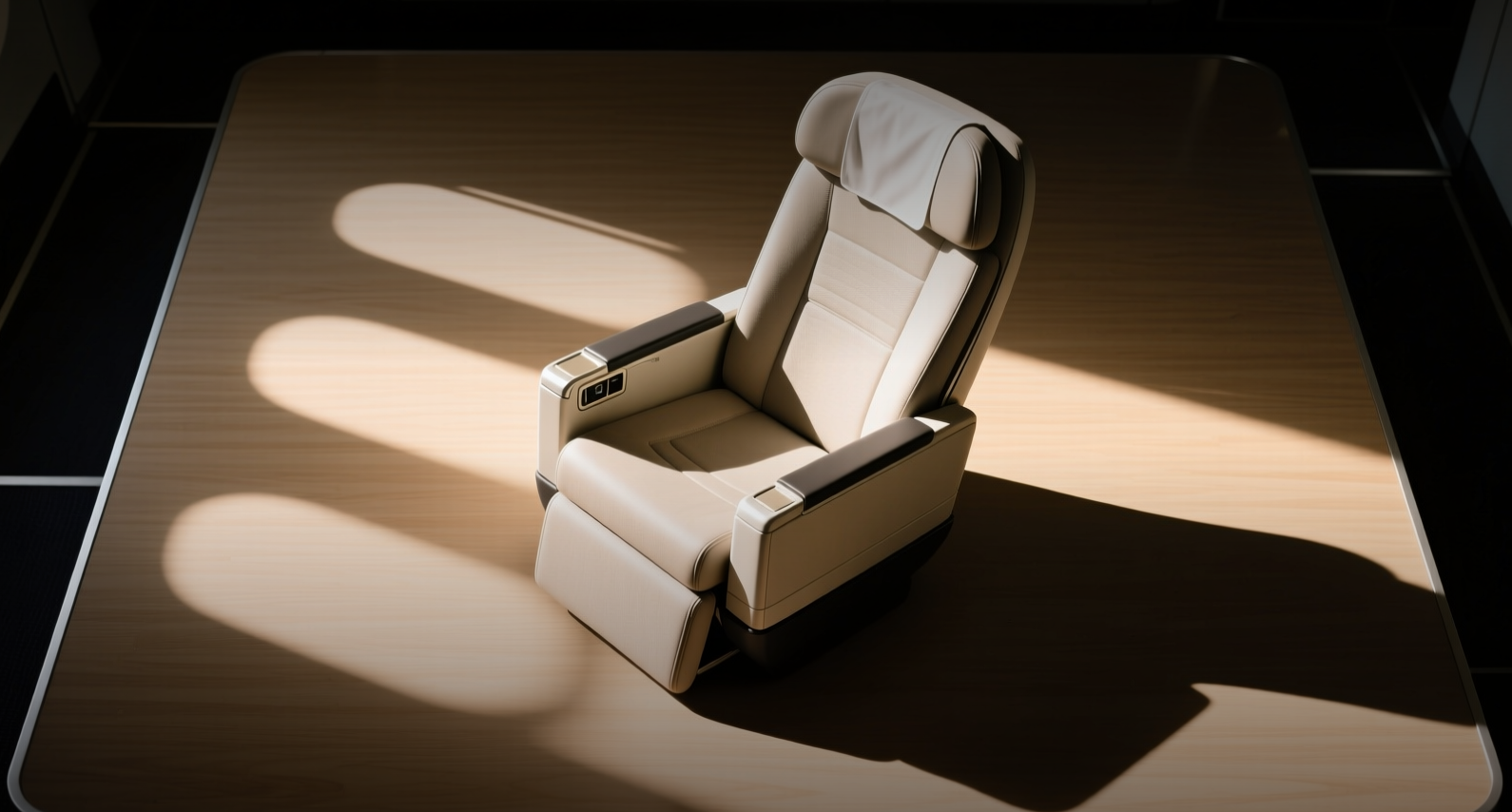
The airline's plan rests on growing its loyalty program, improving customer experience and expanding its network. American is remodeling cabins across its fleet, taking deliveries of new planes with more premium seats, and preparing a wide-body aircraft order from either Boeing or Airbus that Isom said could come this year. The carrier's more than 1,000 planes make up the youngest fleet among the three largest US airlines, though dozens of its Boeing 777 wide-bodies average more than two decades old.
Lounges, Cabins and the Premium Bet
American plans to build its largest Admirals Club lounge — 37,000 square feet — at Dallas Fort Worth International Airport's Terminal C, Chief Customer Officer Heather Garboden told CNBC. The airport, American's largest hub, is undergoing a $12 billion makeover. The carrier is also refreshing cabins on its Boeing 787-8 Dreamliners, with revamped interiors on its 777-300ERs expected to debut in coming weeks. Each business-class lie-flat seat can generate close to $10,000 on some long-haul international routes, compared with $2,000 or less for a seat in economy.
United has had roughly a decade head start at catering to higher-paying travelers, while Delta has close to two decades of experience. American is trying to replicate their success through technical changes that offer customers more opportunities to buy pricier seats.
Debt, Reliability and the Path Forward
American's earnings remain constrained by a $35 billion debt load, though the carrier has cut that from a peak of about $54 billion coming out of the pandemic. The airline ranked sixth of 11 US carriers in punctuality in the first half of the year, with a 76.6% on-time rate, according to Cirium data. Delta and United took the second and third spots. Chief Operating Officer David Seymour is working to improve reliability by spreading out schedules and using artificial intelligence to predict maintenance problems.
The carrier's board recently added John W. Dietrich, a former FedEx chief financial officer and Atlas Air Worldwide chief executive, to its Audit and Finance committees. His appointment comes as American marks its centenary in 2026.
The strategy shows management's confidence that American can close the revenue gap with its larger rivals. Investors will watch the carrier's second-quarter results on Thursday for updated forecasts on margins and the timeline for the wide-body order.
This article is for informational purposes only and does not constitute investment advice.
