


Key Takeaways:
- US stock futures slipped as AI momentum faded before Big Tech earnings
- Four major tech companies report this week, testing AI valuation premiums
- Nasdaq futures led declines as semiconductor and AI names pulled back
Key Takeaways:
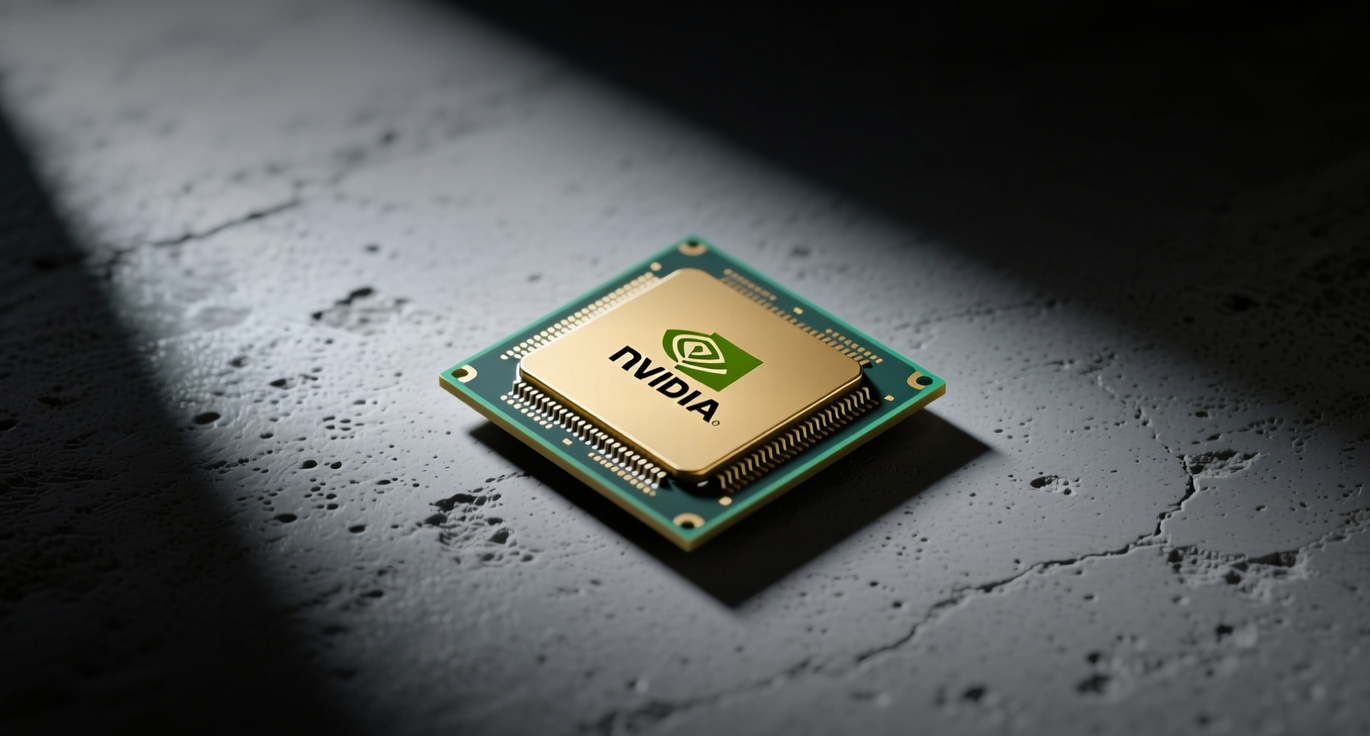
The AI stock rally that powered the Nasdaq to repeated records this year is losing momentum just as the sector faces its biggest earnings test of the season.
US equity futures declined Tuesday as a multi-week rally in artificial intelligence stocks cooled ahead of earnings from four of the largest technology companies, results that will help shape investors' prognosis for the AI trade. Contracts on the Nasdaq 100 fell 0.6%, while S&P 500 futures slipped 0.3%, signaling a cautious open after the benchmark index closed at 7,515 Monday.
"The market is pricing in perfection for AI names, and the bar for these earnings is extraordinarily high after the run we have had," said Sarah Lin, equity strategist at Edgen. "Any guidance that falls short of elevated expectations could trigger a sharp repricing across the sector."
The pullback was concentrated in the technology and communication services sectors, which have driven the bulk of the S&P 500's gains this year. Semiconductor names led the decline, with the Philadelphia Semiconductor Index futures falling 1.2% in pre-market trading. The retreat comes after the AI trade had pushed the Nasdaq Composite up roughly 18% year-to-date, outpacing the S&P 500's 12% gain.
The Cboe Volatility Index, or VIX, edged up to 16.8, still below its long-term average of 19 but rising from last week's low of 14.2 as options traders priced in greater uncertainty around the earnings outcomes. Trading volume on the Nasdaq was running 8% above the 20-day average in pre-market activity, suggesting elevated positioning adjustments ahead of the reports.
The four companies reporting this week represent roughly $8 trillion in combined market capitalization, making the earnings cycle a potential inflection point for the broader market. Their results will test whether the massive capital expenditure on AI infrastructure — estimated at more than $200 billion across Big Tech this year — is translating into measurable revenue growth.
The 10-year US Treasury yield held at 4.28%, little changed from Monday, as bond markets showed limited reaction to the equity pullback. The dollar index, or DXY, edged up 0.1% to 104.5, reflecting modest safe-haven demand. West Texas Intermediate crude fell 0.4% to $78.20 a barrel, tracking the broader risk-off tone.
Sector rotation was evident beneath the headline decline. Defensive sectors including utilities and consumer staples traded flat to slightly higher in pre-market, while cyclical sectors such as industrials and materials edged down 0.2%. The advance-decline ratio on the New York Stock Exchange stood at roughly 3-to-5 in pre-market indications, favoring decliners.
The stakes for the AI trade extend beyond individual stock prices. The sector's valuation premium — with the tech-heavy Nasdaq trading at 28 times forward earnings versus the S&P 500's 21 times — has drawn comparisons to the dot-com era. A string of disappointing results could compress those multiples and trigger a broader rotation out of growth names.
"The AI trade has been a momentum-driven story, and momentum cuts both ways," Lin said. "If even one of these four reports disappoints, the market will start questioning the premium it has assigned to the entire theme."
This article is for informational purposes only and does not constitute investment advice.
